

In the shadow of the Acropolis, where Athens hummed with the energy of a modern city built upon ancient stones, Eleni discovered a cryptic journal. It was hidden beneath loose floorboards in her grandmother’s home—a home that had stood resolute for over two centuries. Her grandmother had always spoken of their family’s connection to Greek history with pride, but the journal hinted at something far more profound.
The leather-bound volume, weathered with age, bore the initials “A.K.” in faint, gold embossing. Its pages were filled with inked scripts and sketched diagrams of temples, artifacts, and what seemed to be mathematical formulas intertwined with poetry. The entries dated back to the early 1800s, a time when Greece was embroiled in its war of independence. Eleni, an archaeologist by profession, was captivated.
One entry, dated April 1824, spoke of a “hidden wisdom buried beneath the city’s soul.” Another included a cryptic drawing of a labyrinth etched into what appeared to be a map of Athens. At its center was an icon resembling the Parthenon, but with peculiar symbols not found in the original structure.

Eleni’s initial skepticism gave way to obsession. She delved into historical records and local folklore, piecing together fragments of the past. Her research suggested that the journal might belong to Alexandros Kyrkos, a reclusive polymath and rumored member of the Filiki Eteria, a secret society dedicated to Greece’s liberation.
Late one night, Eleni traced the map to an overgrown section of the National Garden, a serene escape in the heart of Athens. With a flashlight in hand and her heart pounding, she followed the faint outline of stones that matched the labyrinth from the journal. After hours of searching, she stumbled upon a moss-covered hatch hidden among the trees.
The hatch led to a descending staircase carved into the earth. Eleni hesitated but was driven by the weight of history and the possibility of uncovering a truth no one had dared to imagine. The air grew cooler and heavier as she descended, her footsteps echoing against stone walls.
At the base of the stairs, she found herself in an expansive underground chamber. Torches lined the walls, their flames long extinguished but their holders intact. In the center stood an altar, upon which rested a bronze tablet inscribed with Greek text. The symbols mirrored those in the journal, and as she read them aloud, she realized they were a set of instructions—a guide to something called “The Flame of Democracy.”

The text spoke of a relic, an eternal flame said to embody the spirit of freedom and intellect that defined ancient Athens. It was hidden here to protect it during Greece’s darkest hours. But there was a warning: “Only those who seek the flame with pure intent shall find its light. To others, only shadows await.”
Eleni’s pulse quickened as she explored further. Behind the altar, she found a hidden doorway that led to another room. This one was filled with artifacts: scrolls, pottery, and a magnificent golden urn adorned with images of Athena and Apollo. Yet, in the center stood a pedestal with an empty holder—where the flame should have been.
Suddenly, the room seemed to breathe. A gust of wind extinguished her flashlight, plunging her into darkness. Fumbling for her matches, she lit a small candle from her bag. Shadows danced across the walls, forming shapes that seemed alive.
Then she saw it: a faint, ethereal glow emanating from a corner of the room. Approaching cautiously, she found a small, bronze box. As her fingers touched it, the glow intensified. Inside was a single shard of glass, warm to the touch, pulsating like a heartbeat.
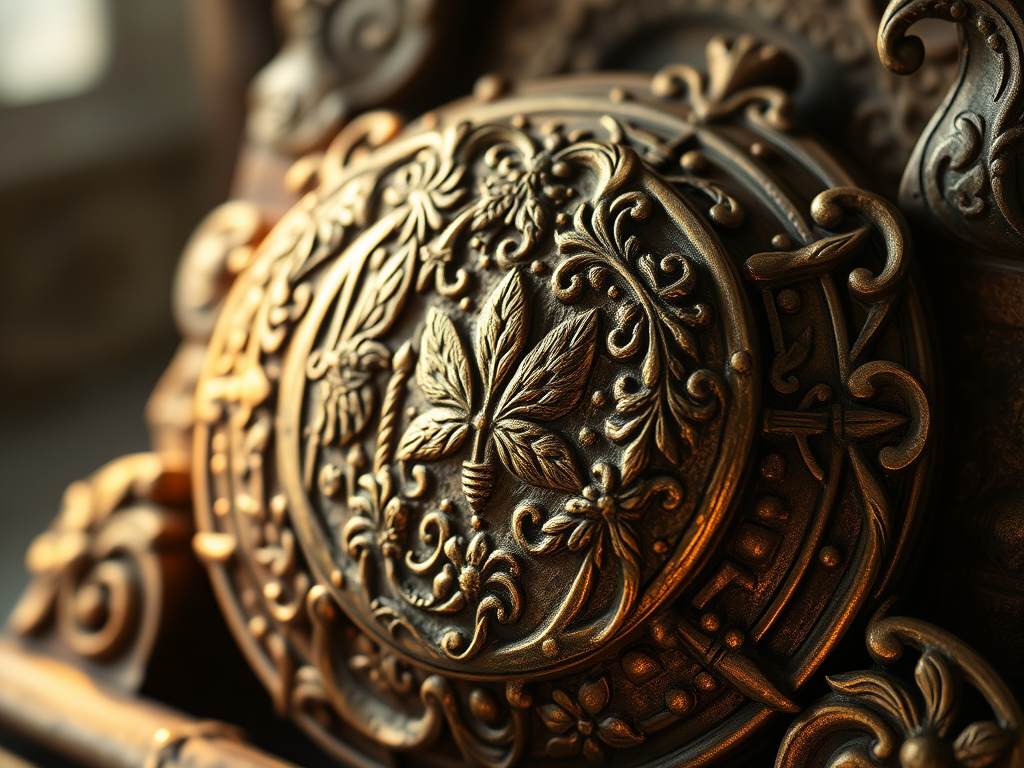
Eleni felt an overwhelming connection to the artifact. It was as if generations of voices were speaking to her at once, urging her to protect it. She realized this was all that remained of the Flame of Democracy, a symbol as fragile as the ideals it represented.
Eleni emerged from the underground chamber at dawn, the shard safely secured in her bag. She knew its discovery would shake the archaeological and historical community, but she also understood the greater responsibility it carried.
Back at her grandmother’s house, Eleni placed the shard on the windowsill, where the first rays of sunlight struck it, refracting into a spectrum of colors that illuminated the room. She smiled, feeling a deep sense of fulfillment.

The Flame of Democracy might have been hidden for centuries, but its light now lived within her—guiding her to share its story with the world.



 Read, Write, English!